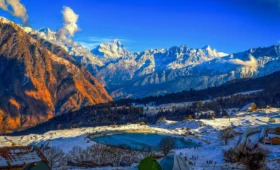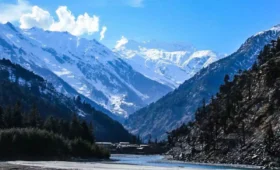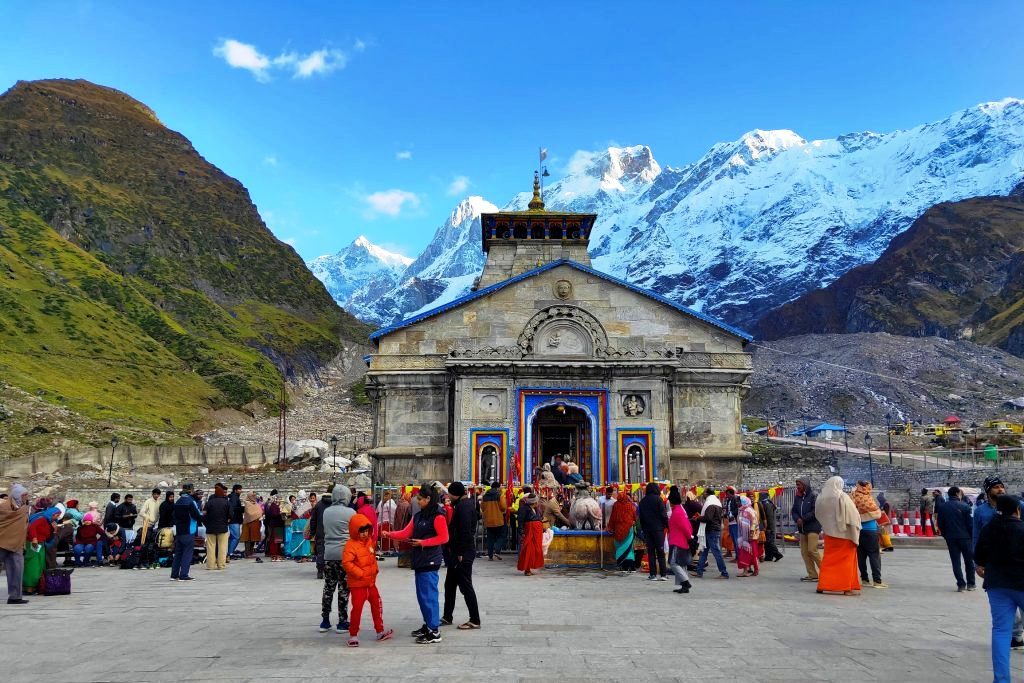
Best Time to Visit Kedarnath is one of the most important factors to consider when planning your pilgrimage. Situated at an altitude of 3,583 meters in the Rudraprayag district of Uttarakhand, Kedarnath is one of the holiest shrines dedicated to Lord Shiva and forms a vital part of the Char Dham Yatra. The temple is surrounded by snow-capped Himalayan peaks, glaciers, and rivers, making it breathtaking but also challenging to reach.
Since the temple remains open only for a few months each year, knowing the best time to visit Kedarnath ensures a smooth journey, safer trekking routes, and a more fulfilling spiritual experience. In this detailed guide, we’ll cover the weather, seasons, and recommended months so you can plan the perfect Kedarnath Yatra.
Why Choosing the Best Time to Visit Kedarnath Matters
Kedarnath is not like other destinations you can visit year-round. Extreme altitudes, heavy snowfall, and monsoon rains make travel risky during most months. The Kedarnath Temple remains open from late April or early May until October/November, depending on the weather. Choosing the best time to visit Kedarnath is crucial for:
- Safety: Avoiding landslides, snowstorms, and slippery treks.
- Comfort: Enjoying pleasant weather instead of extreme cold or rain.
- Spiritual Experience: Finding either vibrant crowds during festivals or peaceful darshan in quieter months.
Best Time to Visit Kedarnath – Seasonal Breakdown
1. Best Time to Visit Kedarnath in Summer (April–June)
- Why it’s ideal:
Summer marks the official opening of the Kedarnath Temple, usually around late April or early May. This is considered the best time for Kedarnath Yatra because the snow begins to melt, trekking paths are clear, and daytime temperatures remain between 5°C and 20°C. - What to expect:
Blooming alpine flowers, clear trails, and an energetic spiritual atmosphere. Services such as ponies, palkis, and helicopters are available. The Badri-Kedar Festival in June adds a cultural dimension to your visit. - Drawbacks:
Being peak season, this period is very crowded. Lakhs of devotees visit daily, accommodations get booked early, and prices for hotels and transport are higher.
2. Best Time to Visit Kedarnath in Autumn (September–October)
- Why it’s ideal:
After the heavy rains, the skies open up to reveal stunning views of the Himalayan peaks. The fresh greenery, crisp air, and fewer crowds make this another best time to visit Kedarnath. Pilgrims who prefer a quieter spiritual experience often choose this season. - Spiritual perks:
With fewer tourists, darshan is peaceful, and the serene environment allows deeper reflection and prayer. - Temperature note:
Daytime remains comfortable, but nights get very cold (0°C to 10°C). Warm layers are a must.
3. Monsoon Season (July–Mid-September) – Not the Best Time to Visit Kedarnath
- Why it’s risky:
Monsoon is not considered the best time to visit Kedarnath because of heavy rainfall, landslides, roadblocks, and slippery trekking routes. Many times, the yatra is temporarily suspended for safety. - Possible advantage:
The lush greenery and waterfalls during monsoon are mesmerizing. However, the unpredictability of weather makes this season unsafe for most pilgrims.
4. Winter Season (November–March/April) – Temple Closed
- Closed season:
From November, heavy snowfall makes Kedarnath inaccessible. The temple doors are closed, and the deity is shifted to Ukhimath for winter worship. - Not recommended for pilgrims:
Winter is not the best time to visit Kedarnath, as temperatures dip below -10°C, and the region becomes completely snowbound. Only experienced trekkers attempt expeditions during this period.
Kedarnath Weather & Season Summary
| Season/Months | Status & Conditions | Why It’s Good | Why It’s Not Good |
|---|---|---|---|
| April–June | Temple open, clear routes | Pleasant weather, festivals, lively atmosphere | Crowded, high prices |
| September–October | Clear skies, fewer pilgrims | Scenic beauty, peaceful darshan | Cold nights, limited services |
| July–Mid-September | Heavy rains, landslides | Greenery, waterfalls | Unsafe travel, risky treks |
| Nov–March/April | Temple closed, snowbound | Snowy landscapes | No access, freezing cold |
Best Time to Visit Kedarnath – Our Recommendation
- April to June: Ideal for first-time visitors, families, and those who want to witness the cultural vibrancy of the Kedarnath Yatra.
- September to October: Perfect for pilgrims who value peace, scenic clarity, and a more spiritual, crowd-free journey.
The best time to visit Kedarnath is, therefore, either summer (April–June) for accessibility and energy, or autumn (Sept–Oct) for tranquility and panoramic views.
Bonus Insights for Kedarnath Travelers
- Pilgrim Surge: In the 2025 Yatra season, Kedarnath saw over 11 lakh pilgrims in just 48 days, generating nearly ₹300 crore for the local economy. This highlights why booking in advance is crucial during peak months.
- Safety Concerns: Sudden weather changes are common. In June 2025, a tragic helicopter crash near Kedarnath due to rough weather reminded travelers of the risks of high-altitude journeys. Always monitor weather updates.
- Travel Tips for Kedarnath Yatra:
- Spend a night in Guptkashi, Sonprayag, or Gaurikund to acclimatize.
- Carry warm clothes even in summer.
- Book helicopter services and hotels early if traveling in peak season.
- Keep buffer days in case of weather delays.
Conclusion
To conclude, the best time to visit Kedarnath is between April–June and September–October, depending on the kind of experience you’re seeking. Summer offers accessible routes, lively festivals, and full services, while autumn provides peace, scenic beauty, and a deeply spiritual atmosphere.
Avoid the monsoon season, as it is not the best time to visit Kedarnath due to landslides and rain hazards. Similarly, winter months keep the temple closed, making the shrine inaccessible.
By planning your Kedarnath Yatra during the best time to visit Kedarnath, you ensure a safe, comfortable, and spiritually enriching journey to the abode of Lord Shiva.
If you are looking for char dham yatra tour packages
Visit : https://ridesimhimalayas.com/